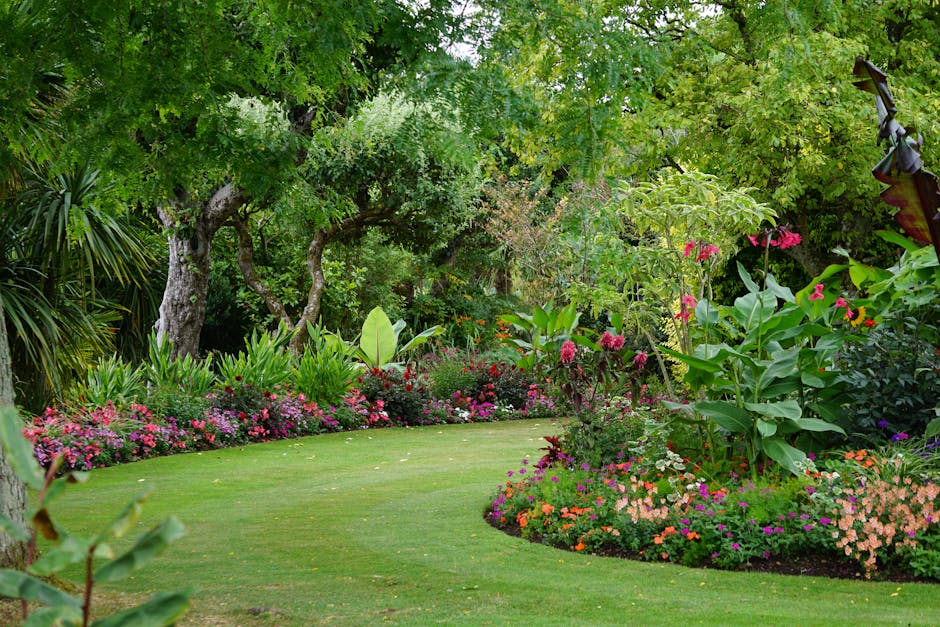
Danson Park garden care ideas from Falconwood gardeners
If you garden near Danson Park, you already know the challenge: a space can look lovely in spring, then suddenly become patchy, weedy, windswept, or just a bit tired by midsummer. The best Danson Park garden care ideas from Falconwood gardeners are not flashy. They are steady, local, and realistic. They work with London weather, mixed soil, busy family routines, and the simple fact that most people want a garden that looks good without demanding every spare weekend.
This guide brings together practical care ideas that suit the kind of gardens Falconwood homeowners actually live with: compact lawns, shaded corners, hedges that need regular attention, patios that collect grime, and planting schemes that have to survive both dry spells and the odd rough patch of weather. You will find clear steps, useful comparisons, common mistakes, and a few local-sense shortcuts that make life easier. And yes, we will keep it human. Gardening is rarely perfect. It just needs to keep moving in the right direction.
For readers who want a broader service overview alongside the advice here, it can also help to look at garden maintenance support and the wider gardening services available locally.
Table of Contents
- Why these garden care ideas matter
- How the approach works in practice
- Key benefits and practical advantages
- Who this is for and when it makes sense
- Step-by-step guidance
- Expert tips for better results
- Common mistakes to avoid
- Tools, resources and recommendations
- Law, compliance, standards and best practice
- Options, methods and comparison table
- Case study or real-world example
- Practical checklist
- Conclusion
- Frequently asked questions
Why Danson Park garden care ideas from Falconwood gardeners Matters
Gardens around Danson Park often face a familiar mix of conditions: mature trees nearby, changing shade through the day, occasional exposed corners, and soils that can be compacted over time. That means a generic "one-size-fits-all" gardening approach usually falls flat. What works is a care plan shaped by the site itself. Falconwood gardeners tend to think in those terms, because local gardens rarely behave like the tidy examples you see in glossy magazines.
Why does that matter? Because small, regular decisions have a big impact. Mowing at the right height helps a lawn cope with dry spells. Choosing ground cover can reduce weeding. Trimming a hedge properly can improve light and airflow. Even the way you water a border can determine whether plants stay healthy or just survive by luck. Truth be told, a lot of garden stress comes from trying to fix everything at once. Local, practical care avoids that trap.
There is also a wider value. A well-kept garden can support wildlife, reduce runoff, soften hard surfaces, and make outdoor spaces more usable for families, pets and guests. If you are already thinking about long-term resilience, the ideas in this guide to a climate-friendly garden fit neatly alongside the approach here.
Expert summary: The best garden care for Danson Park properties is usually simple, seasonal, and site-specific. Start with the weak points first: lawn health, weed pressure, hedge growth, and drainage. That alone can transform a garden faster than a full redesign.
How Danson Park garden care ideas from Falconwood gardeners Works
The approach is straightforward, but it has layers. First, you assess the garden as it is now, not as you want it to be in six months. Then you prioritise the jobs that bring the biggest improvement for the least disruption. In practice, that often means dealing with the lawn, borders, hedges, and hard landscaping in a sensible order.
For example, if ivy is creeping across your lawn, you will get a better result by removing it properly before reseeding or feeding the turf. If a hedge is overgrown, the whole garden can feel darker and smaller than it really is. In those cases, garden care is not just tidying; it is about recovering usable space and restoring balance. For stubborn ivy problems, the step-by-step advice in this ivy removal article is especially useful.
Falconwood gardeners also tend to work with the seasons. Spring is for recovery and growth. Summer is for control and consistency. Autumn is for preparation, leaf clearance, and soil improvement. Winter is not a dead season; it is the quiet time when structure, pruning, and protection can prevent bigger problems later. A garden that gets this rhythm right usually feels easier to manage all year. Nice, really. A bit calmer too.
What that looks like on the ground
- Clear and edge beds before weeds get established.
- Use mulch or ground cover to protect bare soil.
- Trim hedges before they become bulky and light-blocking.
- Inspect lawns for moss, compaction, and patching.
- Keep patios and paths clean so the whole space feels cared for.
- Plan small improvements in stages instead of one overwhelming overhaul.
If your outdoor space needs a fresh start rather than routine maintenance, it may help to explore a forgotten garden makeover approach. That sort of reset can be surprisingly energising once the first round of work is done.
Key Benefits and Practical Advantages
Good garden care is not just about appearances, although that is obviously part of it. The real benefits are wider and, frankly, more useful.
- Better curb appeal: A tidy, healthy garden makes the whole property feel more settled and welcoming.
- Less long-term maintenance: Early intervention means fewer weeds, less turf damage, and less emergency pruning.
- Healthier planting: Proper spacing, airflow, and watering keep shrubs and borders in better condition.
- Improved use of space: Clean lines, manageable hedges, and sensible planting make small gardens feel bigger.
- More seasonal resilience: A prepared garden copes better with wind, heat, rain, and winter exposure.
- Safer surfaces: Clean patios, clear paths, and controlled growth reduce slips and obstruction.
A nice side effect is that the garden becomes easier to enjoy, not just easier to look at. That is a real difference. You will notice it on an ordinary Tuesday evening when you sit outside for ten minutes and everything just feels usable. If seating matters to you, the practical ideas in expert garden seating tips can help shape the space around how you actually live.
For households watching their budget, the same maintenance mindset often leads to cheaper long-term care too. A low-effort garden is not a lazy garden. It is a well-planned one. If that is your goal, these budget low-maintenance ideas are worth a look.
| Garden issue | Quick win | Longer-term gain |
|---|---|---|
| Thin lawn | Aerate and overseed | Stronger turf and fewer bare patches |
| Weedy borders | Mulch after hand weeding | Less regrowth and better moisture retention |
| Overgrown hedge | Selective trimming | More light, tidier shape, clearer boundaries |
| Shady wall or fence | Add climbers or shade-tolerant planting | Cleaner structure and better visual depth |
| Messy patio | Deep clean and clear drainage | Safer, brighter, more usable outdoor space |
Who This Is For and When It Makes Sense
This approach suits a wide range of homeowners and tenants in and around Falconwood, especially if the garden is useful but a bit neglected. It is a good fit for people who want a better outdoor space without turning every weekend into a project.
- Busy households that need reliable, repeatable maintenance rather than one-off perfection.
- Older properties with established hedging, mature borders, and uneven shade.
- New homeowners who have inherited a garden with unknown history and a few surprises.
- Families with children who want a usable lawn, safe edges, and space to play.
- Pet owners needing durable planting and practical layouts.
- Landlords or managing agents who need an outdoor area that stays presentable.
It also makes sense if you are moving from reactive gardening to preventative care. That is, you are no longer waiting until the hedge is blocking light or the weeds have won the war. You are getting ahead of it. A small shift, but a meaningful one.
For gardens shared with dogs, planning matters even more. Layout, materials and plant choice all need a bit of thought, especially if you want the space to stay attractive as well as practical. The ideas in this dog-friendly garden design piece can help you think it through.
Step-by-Step Guidance
Here is a sensible way to tackle a Danson Park garden without overcomplicating it.
- Start with a walk-through. Look at the garden from the house, then from the back fence, then from each access point. Ask what feels messy, what blocks light, and what gets in the way of daily use.
- Remove obvious clutter. Dead pots, broken canes, leaf build-up, old plant supports, and forgotten weeds all distract from the space and make future work harder.
- Deal with the lawn first. Cut it properly, clear edges, treat moss or weeds, and patch bare areas. If ivy or invasive growth is present, remove that before doing anything decorative.
- Sort the borders. Weed carefully, add mulch, and check whether any plants are overcrowded or failing because of shade, dryness, or poor drainage.
- Trim hedges and shrubs. Keep the shape controlled and remove crossing or damaged stems. Do not shear everything flat unless the plant really suits that style.
- Clean hard surfaces. Patios and paths make a huge visual difference. A garden can look tired simply because the paving is dull and slippery.
- Add structure. Use climbers, evergreen screening, or layered planting to make the garden feel intentional rather than scattered.
- Protect for the next season. Feed the soil, secure fragile pots, and plan any winter cover or wind protection before the weather turns.
There is a practical logic to this order. If you start by buying plants before you fix the soil, the garden often ends up looking busy but not better. Most experienced gardeners know this, though to be fair, many of us learn it the hard way. A half-planted border and a wheelbarrow of regret. We have all been there.
If you are setting up a new routine, a quick refresher on the essentials is helpful. These starter gardening tips are simple, but they are the kind that prevent a lot of avoidable hassle later on.
Expert Tips for Better Results
Small technical choices often separate a decent garden from a really good one. Here are the touches Falconwood gardeners tend to value.
1. Cut hedges with the plant's shape in mind
A hedge should usually be narrower at the top than the bottom so lower growth gets enough light. It sounds minor, but it helps keep the hedge denser and healthier. If you want more ideas, there are some smart examples in these hedge trimming ideas.
2. Use ground cover where bare soil keeps coming back
Some spots simply do not want to stay weed-free. Ground cover can solve that by shading out weeds and stabilising the surface. It is especially useful under shrubs, along borders, and on awkward slopes. The article on ground cover plants for UK gardens gives a solid starting point.
3. Think about shade before you plant
Shady borders are not a failure. They just need the right palette. Evergreen climbers, structural foliage, and shade-tolerant species often perform better than showy plants that need full sun. A bit of planning here saves a lot of disappointment.
4. Make winter prep part of the year-round routine
Some people leave protection until the first frost warning. That is usually too late. Move pots together, reduce wind exposure, and check vulnerable stems before the coldest spell arrives. It is much easier when you are not rushing around in gloves at dusk.
5. Keep the soil doing the heavy lifting
Healthy soil is the backbone of an easy garden. Compost, leaf mould, and organic matter improve structure and moisture retention. If you have more prunings and clippings than you know what to do with, turning garden waste into rich soil is one of the smartest habits you can build.
6. Use vertical space when ground space is tight
Vertical gardening is a useful answer for smaller yards and narrow side returns. Trellises, climbers, and wall planters can soften hard edges without taking up precious floor area. For a more detailed approach, see creating lush vertical gardens.
Common Mistakes to Avoid
Most garden problems do not begin as disasters. They begin as small shortcuts. Then they compound. A bit rude of them, really.
- Over-pruning too late: Heavy cuts after the wrong growth stage can leave hedges looking stressed or sparse.
- Ignoring the lawn edge: Untidy edges make even a healthy lawn look unfinished.
- Choosing plants without checking light levels: A plant that hates shade will never flourish there, no matter how lovingly you water it.
- Leaving ivy, bramble or invasive growth unchecked: These plants spread quietly and then suddenly dominate.
- Skipping soil improvement: Planting into tired soil is a false economy.
- Using the wrong pressure or cleaning method on paving: Too aggressive, and you can damage the surface or jointing.
- Trying to fix the whole garden in one go: That usually ends in fatigue and half-finished jobs.
Another common slip is forgetting that wildlife and practical gardening can work together. A garden can be structured, neat and still support nature. If you are interested in that balance, the advice in this climate-positive garden article is a good companion read.
And if your garden has become a bit of a blank slate after years of patchy maintenance, it may be worth approaching it as a recovery project, not a decoration project. That mindset changes everything.
Tools, Resources and Recommendations
You do not need a shed full of fancy gear. A few reliable tools are enough for most Falconwood garden care tasks.
- Good secateurs for clean pruning and deadheading.
- Sharp shears for hedge finishing and shaping.
- Rake and leaf collector for seasonal clear-ups.
- Spade and fork for border work and aeration.
- Hose or watering can for controlled watering.
- Weed fork or hand weeder for precise removal.
- Pressure washer or patio cleaner used carefully for hard surfaces.
- Wheelbarrow or garden trug for moving clippings, compost, and debris.
If you are building a useful kit, these essential gardening tools are a practical reference. They will not make the job glamorous, but they will make it easier. Which is honestly what most of us want.
For patios, decks, fences, and trees, it can help to think in terms of condition as much as appearance. A tired fence can make a neat garden look neglected. A slippery patio can undo all the care in the borders. In those cases, it is worth knowing what specialist help looks like, whether that is patio cleaning, fencing support, or tree surgery where branches are affecting light or safety.
Law, Compliance, Standards and Best Practice
Garden care is rarely regulated in the dramatic sense, but there are still sensible UK best practices to follow. Safety, waste handling, neighbour consideration, and plant health all matter. If you are cutting hedges near boundaries, working at height, or using powered equipment, the standard of care should be cautious and tidy. That means proper risk awareness, not cutting corners.
For DIY work, especially with ladders, sharp tools, or heavy branches, use common-sense precautions and make sure the area is clear. If the job is bigger than expected, bringing in help is often the safer decision. There is nothing heroic about an avoidable accident. Not really.
It is also worth being mindful of shared boundaries and access. If a hedge leans across a fence line or tree growth affects neighbouring space, handle it carefully and politely. Most disputes are avoided by communication long before they become awkward. For a more formal view of how a business approaches safe working, local readers may also want to review health and safety practices and insurance and safety information.
Finally, when hiring anyone for garden work, you should expect clear pricing, transparent terms, and proper payment handling. That is just good practice. The site's own pricing and quotes, terms and conditions, and payment and security pages are useful for understanding what a professional process should look like.
Options, Methods and Comparison Table
Different gardens need different levels of intervention. Sometimes a light tidy is enough. Sometimes a proper restoration plan is the better investment. Here is a simple comparison.
| Approach | Best for | Pros | Trade-offs |
|---|---|---|---|
| Routine maintenance | Gardens already in decent shape | Affordable, predictable, easy to sustain | Won't fix deeper structural issues quickly |
| Seasonal reset | Gardens that drift out of control between seasons | Strong visual improvement, good value | Requires a bigger initial effort |
| Targeted repair | Lawns, hedges, patios or borders with one main problem | Efficient, focused, cost-conscious | May not address the whole garden's balance |
| Full redesign | Overgrown, awkward, or underused gardens | Major transformation and better layout | Higher commitment and more planning needed |
For many Danson Park gardens, the sweet spot is somewhere between routine maintenance and seasonal reset. You do not always need a full redesign. You just need the right sequence of jobs, and a bit of restraint. Strange as it sounds, restraint often makes a garden look more expensive than spending does.
Case Study or Real-World Example
Here is a simple local-style example. A homeowner near Danson Park had a back garden that looked small, gloomy, and oddly difficult to use. The lawn had become thin, the hedge was encroaching from one side, and the patio had gone slippery enough that no one wanted to step on it after rain. The borders were not terrible, but they were crowded and patchy. In other words, nothing was broken, yet nothing quite worked.
The fix was not dramatic. First came a full clear-up and hedge reduction to open the light. Then the patio was cleaned, the lawn was aerated and patched, and the borders were simplified with mulch and a few tougher plants. Finally, a narrow planting strip was added where bare soil had been drying out and weeding badly. The whole garden felt calmer after that. Not perfect. Just usable, which is often the real goal.
That is the kind of outcome these garden care ideas aim for. You do not need every part of the space to be exceptional. You need the space to feel coherent, easy to maintain, and pleasant to walk into on a wet Thursday afternoon. That is the win.
Practical Checklist
Use this checklist as a quick seasonal guide.
- Inspect the lawn for moss, bare patches, weeds, and compaction.
- Check hedges for overgrowth, thinning, or shading issues.
- Clear leaves, twigs, and dead plant material from borders and paths.
- Mulch exposed beds and keep soil covered where possible.
- Review shady corners and decide whether they need climbers or shade-tolerant planting.
- Clean patios, steps, and paths before algae builds up.
- Look for invasive growth such as ivy before it spreads further.
- Prune shrubs and small trees at the right time for the species.
- Test whether watering is reaching roots properly instead of just dampening the surface.
- Prepare vulnerable pots and plants before cold, wet, or windy weather arrives.
If your garden feels like it needs more than a tidy-up, it may be the right time to review the full range of landscaping or lawn care options available locally. Small interventions now often save bigger costs later. That is the quiet truth of it.
Conclusion
Good garden care around Danson Park is less about chasing perfection and more about building a rhythm that suits the space, the season, and the people using it. Falconwood gardeners tend to favour practical, grounded solutions for a reason: they are easier to maintain, kinder to the garden, and better at solving real problems. A lawn that recovers, a hedge that stays under control, a patio that feels safe, a border that does not invite weeds back every fortnight - those things add up.
The best results usually come from consistent attention, not dramatic effort. Start with the jobs that affect light, safety, and soil health. Then layer in planting and structure. Keep the plan simple enough that you can actually stick to it. That alone puts you ahead of many gardens nearby, to be fair.
And if you only take one idea from this guide, let it be this: a well-cared-for garden should make life easier, not busier. Small improvements, done at the right time, can change the whole feel of a space. Quietly. Beautifully.
Get a free quote today and see how much you can save.
Frequently Asked Questions
What are the best Danson Park garden care ideas from Falconwood gardeners for a small garden?
For smaller gardens, the best ideas usually focus on reducing visual clutter, using vertical planting, keeping the lawn compact and healthy, and choosing low-maintenance borders. Clean edges and a simple layout make a small space feel much larger.
How often should I maintain a garden near Danson Park?
Most gardens benefit from light weekly attention during the growing season, plus deeper seasonal work in spring and autumn. If hedges, lawns or weeds are growing fast, a little more often is better than waiting until the garden feels out of hand.
What should I do first if my garden has become overgrown?
Start with safety and access. Remove debris, clear paths, and cut back anything blocking movement or light. After that, sort the lawn, hedges, and invasive growth before worrying about decorative planting.
Are low-maintenance gardens still attractive?
Absolutely. In fact, many of the best-looking gardens are low-maintenance because they are designed well. Ground cover, evergreen structure, and durable planting can create a polished look without constant rework.
How do I deal with ivy spreading into the lawn?
Remove it thoroughly and follow up with lawn repair if needed. Ivy can return if only the top growth is cut back. A careful, methodical approach gives the best chance of lasting control.
What is the best way to improve a tired lawn?
Aeration, scarifying where appropriate, overseeding, and better feeding usually help more than a quick mow. If the lawn is shaded or compacted, you may also need to improve drainage or adjust mowing height.
Can hedge trimming really change how a garden feels?
Yes, very much so. A hedge controls light, privacy, and shape. Once it is trimmed properly, the garden often feels brighter, tidier, and more balanced straight away.
Do I need professional help for patio cleaning?
Not always, but a professional clean can be useful if the patio is slippery, heavily stained, or made from a surface that needs careful treatment. Using the wrong method can damage jointing or leave patchy results.
How do I make a shady garden look better?
Use shade-tolerant planting, evergreen climbers, and layered foliage rather than forcing sun-loving plants into the space. Shade can be turned into a strong design feature if you work with it instead of against it.
What are the signs that my garden needs a full reset rather than routine maintenance?
If the garden has poor structure, repeated weed problems, thin soil, overgrowth, and awkward use of space, a reset may be better than simple upkeep. It is often the wiser option when small fixes never seem to last.
How do local weather conditions affect garden care in Falconwood?
London gardens can swing between dry spells, wind exposure, heavy rain, and sudden temperature shifts. That means planting choice, mulching, watering habits, and winter protection all matter more than people sometimes expect.
Where can I learn more about garden maintenance options?
A useful place to start is the site's garden maintenance page, along with related information on lawn care, hedge trimming, and landscaping. Those pages help you compare what level of support makes sense for your garden.