Hedge Trimming in Falconwood: A Practical, Local-Focused Approach to Beautiful, Healthy Gardens
Why Hedge Trimming in Falconwood Matters for Every Property

Hedge trimming in Falconwood is more than a seasonal chore; it is one of the simplest ways to keep a garden looking neat, balanced, and inviting throughout the year. In a place like Falconwood, where homes, front gardens, and boundary hedges shape the overall character of the neighborhood, well-maintained hedges can make a noticeable difference to kerb appeal.
Regular hedge cutting also supports the long-term health of shrubs and evergreen borders. When hedges are trimmed correctly, they grow thicker, stay within safe boundaries, and develop a cleaner structure. This matters for homeowners who want privacy, landlords who need tidy rental exteriors, and businesses aiming to present a professional first impression.
Another important reason people invest in hedge trimming in Falconwood is safety. Overgrown hedges can block footpaths, obscure driveways, reduce visibility near roads, and even interfere with gates, fences, or external lighting. Timely maintenance helps avoid these issues while keeping the landscape attractive.
- Improves garden appearance and property value
- Encourages healthy growth and dense foliage
- Reduces hazards around paths and driveways
- Helps hedges stay at the right height and width
Understanding the Local Needs of Falconwood Gardens

Gardens in Falconwood vary widely, from compact urban plots to larger suburban spaces with layered planting. That means hedge maintenance often needs to be tailored to the specific layout, species, and desired finish. A precise approach to hedge trimming in Falconwood ensures each hedge suits its surroundings rather than overpowering the rest of the garden.
The local climate also plays a role. Seasonal changes, rainfall patterns, and growth spurts can all affect how quickly hedges fill out. In many cases, common hedge varieties such as laurel, privet, yew, beech, and box benefit from regular shaping to maintain dense, healthy growth. A consistent routine keeps them from becoming sparse or woody at the base.
Falconwood property owners often look for a balance between privacy and neatness. A hedge that is too tall may create shade and feel unkempt, while one that is too heavily cut can lose its screening function. The best results come from carefully planned hedge trimming that respects both form and function.
Signs Your Hedge Needs Attention
There are several clear signs that it may be time to schedule hedge trimming:
- Branches are hanging over paths or driveways.
- The hedge is wider than intended and taking over lawn space.
- New growth is making the hedge look uneven.
- Leaves or twigs are blocking windows, light, or entrances.
- The bottom of the hedge is becoming thin due to poor shaping.
Benefits of Professional Hedge Trimming in Falconwood

While some homeowners enjoy doing their own garden work, professional hedge trimming in Falconwood brings a level of accuracy and efficiency that is hard to match with basic tools. Experienced gardeners understand how to cut each hedge to encourage healthy regrowth while preserving the natural shape and structure.
Professionals can also identify problems early. Diseased branches, pest damage, weak stems, and uneven growth patterns can all be noticed during the trimming process. Addressing these issues quickly can prevent more serious damage later and protect the overall health of the hedge.
There is also a convenience factor. Hedge maintenance can be time-consuming, especially when dealing with tall, thick, or difficult-to-reach hedges. Hiring a skilled service saves time and reduces the risk of injury, particularly when ladders, powered trimmers, or long-reach equipment are involved.
Main Advantages at a Glance
- Cleaner results: Straight lines, smooth edges, and an even finish
- Healthier growth: Proper cutting encourages thick, balanced hedges
- Better safety: Less risk from overgrown or obstructive branches
- Time savings: Fast, efficient work with the right tools
- Seasonal reliability: Maintenance carried out at the best times of year
When to Schedule Hedge Trimming in Falconwood
Timing is one of the most important parts of successful hedge trimming in Falconwood. Different hedge types respond better to different schedules, and trimming too often or at the wrong time can reduce flowering, weaken growth, or leave the hedge stressed. A thoughtful approach helps keep plants strong and attractive throughout the year.
Many evergreen hedges benefit from trimming once or twice per year, while faster-growing hedges may need more frequent attention. Formal hedges usually need sharper, more regular shaping, whereas informal hedges may be cut less often to preserve a softer look. The key is to match the trimming frequency to the hedge species and the design of the garden.
Seasonal weather should also be considered. Extremely hot, cold, or dry conditions can make plants more vulnerable after trimming. In Falconwood, many homeowners prefer to plan hedge maintenance during milder periods when regrowth can recover more easily. This helps the hedge remain lush and healthy after each session.
Helpful Seasonal Tips
- Trim lightly during active growth periods to maintain shape
- Avoid heavy cutting during frost or heatwaves
- Check for nesting birds before trimming in nesting season
- Water hedges well after trimming if the soil is dry
Hedge Species Commonly Trimming in Falconwood Gardens
Different hedge species respond differently to cutting, and knowing the plant type is essential for achieving the best results. In Falconwood gardens, some of the most common hedges include fast-growing privacy hedges and slower-growing formal varieties. Each one benefits from a distinct trimming style and schedule.
Laurel hedges are popular for their dense leaves and strong screening effect. They can become wide very quickly, so regular pruning helps keep them neat. Privet hedges are another favorite because they respond well to shaping and can be maintained in both formal and informal styles.
Yew hedges offer a classic look and are often used for structured garden design. They tolerate careful cutting and can be shaped into crisp, elegant lines. Beech hedges are equally attractive, especially when gardeners appreciate seasonal color changes and a more natural boundary feel.
Common Hedge Types and Their Trimming Needs
- Laurel: Trim regularly to control width and maintain dense foliage.
- Privet: Shape often for a tidy, uniform appearance.
- Yew: Use precise, controlled cuts for formal results.
- Beech: Light shaping works best to preserve natural character.
- Box: Needs careful trimming to keep a compact, elegant form.
How Proper Hedge Trimming Improves Garden Design
Well-executed hedge trimming in Falconwood can transform the look of an entire outdoor space. Hedges often act as living boundaries, but they can also serve as design features that frame flower beds, create structure, and guide the eye through the garden. A neatly trimmed hedge gives the property a sense of order and intention.
Garden design depends on balance. Tall hedges can create privacy without making a space feel closed in when they are shaped correctly. Lower hedges can define borders and pathways while still letting light move through the garden. The right trimming approach keeps these elements working together.
For properties with patios, decking, or seating areas, hedge maintenance can also improve the atmosphere. A clean hedge line helps outdoor spaces feel more polished and relaxing. When combined with mowing, weeding, and regular planting care, hedge trimming becomes part of a broader effort to keep the garden looking its best.
Design Benefits of Regular Hedge Care
- Creates clear, attractive boundaries
- Enhances symmetry in formal gardens
- Frames lawns, flower beds, and walkways
- Improves light flow and visual openness
- Supports a cleaner, more finished appearance
Tools, Techniques, and Attention to Detail
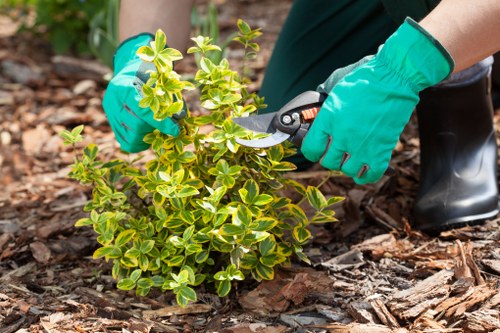
Quality hedge trimming relies on the right tools and the right technique. For smaller hedges, hand shears may offer a fine finish, while powered trimmers can be useful for larger or more densely packed hedges. In either case, the goal is to create smooth surfaces without tearing the foliage.
A good trimmer will work methodically, stepping back regularly to check shape, alignment, and symmetry. It is not just about cutting back growth; it is about sculpting the hedge so that it looks balanced from every angle. This attention to detail is especially important for front gardens and boundary hedges that are highly visible.
Another technique that improves results is tapering the sides slightly so the base remains wider than the top. This allows sunlight to reach the lower sections and reduces the risk of the hedge becoming bare near the bottom. It is a simple but effective method that supports long-term plant health.
Professional Technique Considerations
- Use sharp blades for clean, healthy cuts
- Shape hedges so lower branches receive more light
- Check for hidden damage before trimming
- Avoid cutting too deeply into old wood unless appropriate for the species
Safety Considerations During Hedge Trimming in Falconwood
Safety should always be part of hedge maintenance, especially when dealing with tall growth or hedges near fences, roads, or power lines. Hedge trimming in Falconwood often involves more than simple cutting; it can require careful planning, steady footing, and proper handling of tools.
Homeowners who attempt to trim large hedges themselves may face challenges such as unstable ladders, hidden debris, and awkward cutting angles. Even smaller jobs can become risky if tools are dull or used incorrectly. Working with care reduces the chance of injury and helps avoid accidental damage to the hedge or surrounding property.
Professional services are typically prepared to handle these issues efficiently. They understand how to work around difficult access points, protect nearby plants, and keep pathways clear during the job. That means the end result is not only attractive but also achieved with fewer risks.
Simple Safety Priorities
- Wear protective gloves and eye protection.
- Clear the area of toys, pots, and loose items.
- Check for nesting birds or wildlife before cutting.
- Use stable equipment and keep tools in good condition.
- Dispose of clippings promptly to prevent slips and clutter.
Keeping Hedge Trimming in Falconwood Environmentally Responsible
Many people now want garden maintenance that looks good and supports the environment. Responsible hedge trimming in Falconwood can help achieve both. By trimming only when needed and using careful methods, gardeners can reduce waste, protect plant health, and support local wildlife.
Clippings can often be composted or recycled as green waste, depending on the material and local collection arrangements. This keeps garden upkeep more sustainable and reduces the amount of waste going to landfill. A tidy cut can also reduce the need for harsh corrective pruning later, which is better for the hedge and the environment.
Timing is especially important where wildlife is concerned. Hedge trimming during bird nesting season should always be approached with caution. A responsible service will check before cutting and avoid disturbing active nests. This respectful practice helps preserve the garden as a healthy habitat while still keeping it looking neat.
- Recycle or compost hedge clippings where possible
- Trim only as much as the plant needs
- Avoid disturbing nesting birds and habitats
- Choose pruning methods that reduce plant stress
What to Expect from a Hedge Trimming Service in Falconwood
When arranging hedge trimming in Falconwood, most property owners want a service that is reliable, efficient, and attentive to detail. A good service usually begins by assessing the hedge type, the desired shape, and any specific concerns such as overgrowth, access, or uneven growth.
After the initial assessment, the trimming work is carried out with the aim of restoring structure and improving appearance. This may include straightening edges, reducing height, narrowing width, or removing dead and damaged sections. The process should leave the hedge looking natural, not harshly cut or overworked.
Once the cutting is complete, all clippings are collected and the area is left tidy. That final cleanup step is important because it ensures the garden is immediately usable and visually improved. Many homeowners appreciate a service that handles both the trimming and the post-job tidying with equal care.
Typical Service Steps
- Inspection of hedge condition and shape
- Agreement on height, width, and finish
- Careful trimming using suitable tools
- Collection and removal of green waste
- Final check for symmetry and neatness
Choosing the Right Approach for Your Property
Every garden in Falconwood is different, which is why the best hedge trimming approach depends on the property itself. Some owners want sharp formal lines, while others prefer a softer, natural finish. The right service should adapt to the setting rather than applying the same method everywhere.
Factors such as hedge species, available space, privacy needs, and surrounding landscaping all shape the final result. A front hedge beside a footpath may need precise height control, while a rear garden hedge may require wider shaping for screening. Good trimming decisions support both appearance and practical use.
For many households, a regular maintenance plan works best. Rather than waiting until hedges become too large, scheduling seasonal attention keeps them manageable and reduces the need for heavy corrective cutting. That makes the work easier, more cost-effective, and more beneficial for the plants themselves.
Questions to Consider Before Booking
- Is the hedge formal or informal in style?
- Does it need shaping, height reduction, or width control?
- Are there access issues or nearby obstacles?
- Is the hedge near a road, path, or boundary line?
- Would a one-off trim or regular maintenance be better?
Enhancing Kerb Appeal with Regular Hedge Trimming in Falconwood
Kerb appeal matters whether you are planning to stay in your home long term or simply want the property to look its best. Hedge trimming in Falconwood is one of the most effective ways to improve the visual presentation of a house from the street. A sharp, well-kept hedge makes the whole property appear more cared for.
That visual impact can extend beyond the front garden. Boundary hedges around side returns, driveways, and rear access areas all contribute to the overall feel of the property. When they are trimmed regularly, they create a sense of order and neatness that improves the experience of anyone approaching the home.
Even small improvements can make a noticeable difference. A hedge that has been lightly shaped, narrowed, and cleaned up can completely change how a garden feels. This is why many homeowners see hedge care as an essential part of routine property upkeep rather than an occasional extra.
Book your service now if your hedges are starting to look overgrown, uneven, or difficult to manage. Contact us today to keep your garden looking neat, healthy, and ready for every season.