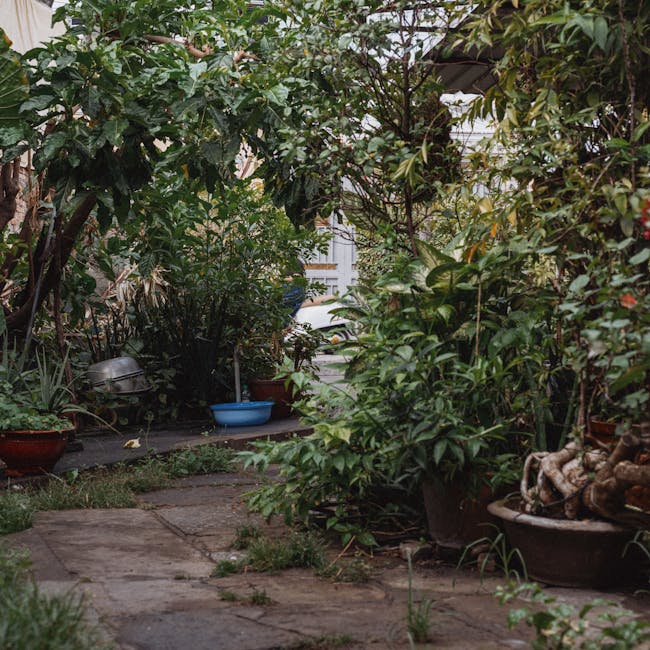
Falconwood emergency garden clearance same day gardeners: fast, calm help when the garden cannot wait
When a garden turns chaotic overnight, you feel it straight away. A fallen branch across the path, a hedge collapsed after a windy spell, ivy swallowing borders, or a pile of green waste that has become a trip hazard by the back gate - it is the sort of mess that needs hands-on help, not a "we'll get to it next week" reply. That is where Falconwood emergency garden clearance same day gardeners become useful. They are there for the urgent, awkward, time-sensitive jobs that need clearing safely, quickly, and without fuss.
This guide explains what emergency garden clearance actually involves, how same-day gardeners usually work, what to expect, and how to choose the right help in Falconwood. It also covers practical steps, common mistakes, and the best way to get a garden back into shape without making the situation worse. Let's face it, when a garden is blocked, untidy, or unsafe, you want clear answers fast.
Why Falconwood emergency garden clearance same day gardeners matters
Emergency garden clearance is not just about making a space look nicer. In a real-world sense, it is about restoring access, reducing risk, and stopping a small outdoor problem from becoming a bigger one. A blocked side return, broken fencing panel, overgrown bramble patch, or storm debris sitting underfoot can quickly affect how you move around the property. If you have children, pets, visitors, or elderly family members using the space, the pressure rises even more.
In Falconwood, where homes often have compact front gardens, shared access paths, or layered planting that can get tangled after wet weather, urgency matters. A garden that was manageable last week can become awkward very quickly after a stormy night or a burst of neglected growth. Same-day support gives you breathing room. It allows you to deal with the immediate mess first, then think about longer-term fixes once the space is safe again.
There is also a practical side people sometimes overlook: the longer waste sits there, the harder it becomes to clear. Wet clippings compact. Ivy roots settle deeper. Branches tangle. Soil turns to muck. The job gets heavier, slower, and more expensive. So yes, same-day clearance is often about speed - but it is just as much about preventing avoidable damage and extra labour.
Expert summary: Emergency garden clearance works best when it focuses on immediate safety first, full tidy-up second, and long-term prevention after that. If the job is rushed without a plan, you often end up paying twice.
If the issue is linked to overgrown boundaries or a hedge that has simply taken over, it can help to read more about hedge trimming in Falconwood and how it fits into a proper garden recovery plan.
How Falconwood emergency garden clearance same day gardeners works
Same-day garden clearance usually begins with a quick assessment. That might happen over the phone, by message, or in person if the team can get to you quickly. The aim is simple: understand what is in the garden, what risks are present, and what can realistically be completed on the day. A decent gardener will not overpromise. That is reassuring, actually. You want honesty more than optimism.
Most urgent clearances follow a practical sequence. First comes access and safety. Then the team removes loose waste, cuts back hazardous growth, and clears walkways or working areas. Only after that do they tackle finer tidying work such as leaf collection, edging, or stacking recyclable material. If larger items are involved - such as a fallen shrub, broken timber, or seriously dense growth - the job may be split into stages, especially if disposal needs to be arranged carefully.
A same-day service may also involve coordination with related work. For example, if a branch is partially damaged or a tree is leaning after bad weather, the gardener might recommend tree surgery support rather than trying to force a clearance that is beyond simple garden maintenance. That kind of judgement matters. It keeps the job safe and efficient.
The key thing to understand is that emergency clearance is usually a triage service. It is designed to stabilise the garden quickly, not redesign it from scratch. If you need a full transformation later, you can always move from clearance into broader gardening services or scheduled upkeep once the immediate pressure is off.
Key benefits and practical advantages
There are clear reasons why homeowners call for fast garden clearance rather than waiting it out. The biggest benefit is obvious: immediate relief. You get a usable garden again. But there is more to it than that.
- Safer movement: Paths, steps, patios, and side access areas are easier to use once debris is removed.
- Less stress: A cluttered garden can feel mentally heavy. Clearing it brings a sense of order back very quickly.
- Protection for plants and surfaces: Heavy waste left in one place can smother borders, stain paving, or encourage damp.
- Better neighbour relations: Overgrowth, debris, and encroaching ivy can become a nuisance if left too long.
- Faster recovery after bad weather: Storm-damaged gardens need action before smaller issues spread.
- Clearer next steps: Once the site is tidy, you can judge whether you need lawn care, replanting, fencing, or more involved improvements.
There is also a simple time-saving benefit. If you try to clear a badly overgrown garden yourself after work, with tired arms and a bin bag that is already ripping, the job drags. A same-day team comes prepared, which means less faffing about and more actual progress. Not glamorous, but effective.
For ongoing maintenance after the urgent job is done, some homeowners prefer to keep the space under control with regular garden maintenance and, where lawns are involved, a sensible lawn care plan. That way the same emergency does not keep happening every few months.
Who this is for and when it makes sense
Emergency garden clearance is for anyone facing a time-sensitive outdoor problem. But in practice, some situations come up more often than others.
You may need same-day help if:
- a storm has scattered branches, leaves, or broken plant material across the garden;
- an overgrown area is blocking entry, bins, or a side passage;
- ivy, weeds, or brambles have taken over a lawn or border;
- a property inspection, viewing, or tenancy handover is looming;
- you are dealing with a garden that suddenly became unsafe for children or pets;
- a fallen hedge, damaged fence, or collapsed shrub is making the outside space untidy and awkward;
- you simply do not have the time, tools, or physical ability to handle a heavy clearance yourself.
It is especially sensible for landlords, letting agents, older homeowners, busy families, and anyone trying to prepare a property for sale or handover. A garden can make a strong first impression, or a very poor one. There is not much middle ground, sadly.
For people dealing with persistent weeds or invasive growth, it may be worth pairing clearance with advice from efficient weed management tips and even a practical guide on removing ivy from a lawn. Those problems are often the hidden reason a "quick tidy" keeps turning into a bigger job.
Step-by-step guidance
If you are arranging emergency clearance, a clear process helps everyone. Here is the simplest way to think about it.
- Describe the problem clearly. Say what happened, how much of the garden is affected, and whether there is anything dangerous, blocked, or broken.
- Send photos if you can. A few images can save time and help the gardener bring the right tools first time.
- Flag access issues. Narrow gates, long driveways, locked side entries, or awkward parking all affect timing.
- Agree the priority. Safety? Waste removal? Border clearance? Hedge cutback? Be clear on what must be done today.
- Ask what can realistically be completed. Same-day means swift action, but it still depends on the size and condition of the site.
- Prepare the area. Move vehicles if needed, secure pets, and clear a small indoor route for communication and access.
- Walk through the result. Before the team leaves, check that the key hazards and clutter have been addressed.
A good same-day gardener will usually work in a way that feels calm, not chaotic. That is one of the signs you have the right people. If the first thing they do is slow down, assess the risks, and explain the plan, you are in safer hands than if they rush straight in with no structure.
For a deeper service visit later, you can also explore general gardening services and related outdoor support such as patio cleaning if the hard landscaping has been left muddy or stained by the clearance work.
Expert tips for better results
Emergency work moves fast, but good results still depend on smart choices. A few small decisions can make a big difference.
- Prioritise hazards first. Loose branches, broken glass, sharp edging, and unstable structures should be handled before the cosmetic stuff.
- Separate waste types early. Green waste, timber, soil, and general rubbish are easier to handle when they are sorted as you go.
- Do not overcut living plants. In a rush, it is tempting to trim everything into submission. Sometimes that leaves more damage than the original issue.
- Keep an eye on drainage. If the garden is waterlogged, clearing it too aggressively can churn up the soil and make matters worse.
- Think one step ahead. If a border will regrow fast, you may need a follow-up plan, not just a one-off tidy.
One useful habit is to ask the gardener what they would do next if the space were theirs. That question often reveals a lot. A competent professional will usually give a practical, sensible answer rather than a rehearsed sales pitch. You can tell when someone has genuinely worked in messy gardens before.
Another quiet but important tip: if you already know there is a recurring issue - like thorny bramble regrowth, ivy return, or a hedge that swallows the path every season - ask about prevention, not just removal. That is where the real value lives.
Common mistakes to avoid
People often make the same few errors when trying to deal with an urgent garden mess. Avoiding these can save time, money, and a fair bit of annoyance.
- Waiting too long. The longer you leave storm debris or invasive growth, the more stubborn it becomes.
- Assuming every job is DIY-friendly. If the clearance involves height, broken timber, hidden hazards, or large quantities of waste, let professionals assess it.
- Booking only on price. Cheap can be fine, but the real question is whether the team is insured, prepared, and honest about the scope.
- Not explaining access or restrictions. Surprises on arrival waste time.
- Forgetting disposal. A neat pile is still a pile. And it still needs taking away.
- Confusing clearance with landscaping. A cleared garden is not the same as a redesigned one.
There is also a softer mistake: people sometimes ask for "a quick tidy" when what they really need is a serious reset. That is understandable. Nobody likes admitting the garden has got away from them. But the clearer you are, the better the result.
Tools, resources and recommendations
Urgent garden clearance is often faster when the right tools are used from the outset. You do not need to know every piece of kit, but it helps to understand what professionals may bring.
| Tool or resource | Typical use | Why it matters in an emergency |
|---|---|---|
| Loppers and hand pruners | Cutting smaller branches, twigs, and tough stems | Quick, controlled cutting without tearing plants apart |
| Hedge trimmers | Reducing overgrowth and reshaping larger hedges | Speeds up bulky cutting work |
| Spades, forks, and hand tools | Lifting roots, edging, and loosening compacted waste | Useful where debris has settled into the soil |
| Rakes and tarps | Collecting leaves, clippings, and loose material | Makes removal cleaner and faster |
| Heavy-duty waste bags | Sorting and moving green waste | Reduces mess and makes disposal more manageable |
| Protective gloves and eye protection | Reducing injury risk during sharp or thorny work | Essential when handling brambles, ivy, or broken material |
If you are planning around the final tidy-up and what the garden should become afterwards, a few related reads can help. For example, low-maintenance garden ideas are useful if you want to prevent the space from becoming overwhelming again. Likewise, turning garden waste into better soil can help you think more sustainably about what leaves the site.
When emergency clearance is followed by longer-term work, you might also look at landscaping support or, if boundaries have been damaged, fencing repairs and replacement. That is often the point where a messy garden starts becoming a proper outdoor space again.
Law, compliance, standards, or best practice
Garden clearance is not usually a highly regulated activity in the way some trades are, but that does not mean standards do not matter. In the UK, a good service will still be working to sensible expectations around safety, waste handling, and professional conduct. If a job involves sharp tools, unstable material, access constraints, or nearby hazards, careful working practices should be non-negotiable.
Best practice typically includes:
- risk-aware working around broken glass, rot, hidden nails, or unstable branches;
- safe lifting and handling of heavy waste;
- clear communication about what is and is not included in the job;
- appropriate disposal of garden waste rather than dumping it in a corner or leaving it behind;
- reasonable care near neighbouring boundaries and shared access routes;
- transparent pricing and payment terms before work goes ahead.
If a job involves larger tree-related issues, damaged structures, or anything that looks structurally unsafe, it is better to pause and assess than to charge ahead. That is where a business's health and safety approach becomes more than paperwork. It affects what happens in your garden, on your path, and around your home.
There are also trust factors worth checking. You may want to review a company's insurance and safety information, as well as policies such as terms and conditions, payment and security, and privacy policy. These are not exciting reading, granted, but they do tell you a lot about how the service is run.
Options, methods, or comparison table
Not every urgent garden problem needs the same solution. Choosing the right approach makes the whole process smoother and often cheaper. Here is a simple comparison.
| Option | Best for | Strengths | Limitations |
|---|---|---|---|
| DIY same-day tidy-up | Very small, low-risk messes | Fast if you already have tools and time | Can be slow, tiring, and risky for bigger jobs |
| Same-day emergency gardener | Urgent clutter, overgrowth, access issues, storm debris | Quick response, proper equipment, safer handling | May focus on priority clearance rather than full restoration |
| Full garden maintenance visit | Recurring mess or neglected outdoor space | More thorough and preventive | Not always immediate enough for emergencies |
| Landscaping follow-up | Spaces needing redesign after clearance | Longer-term improvement | Usually comes after the urgent work, not instead of it |
In plain English: if the garden is mildly untidy, DIY may be enough. If the garden is blocked, unsafe, or far beyond a quick sweep, same-day help makes more sense. And if the issue keeps returning, you may be looking at a maintenance or redesign problem rather than a one-off mess. That distinction saves a lot of frustration.
Case study or real-world example
Picture a typical Falconwood scenario after a windy night. A back garden has branches scattered across the lawn, one side path is half-blocked by broken leaves and a toppled pot, and the hedge has been bent into the walkway. The owner can still see the outline of the garden, but only just. It feels a bit like the space has shut itself down.
In that kind of case, same-day gardeners would usually start by making the access route safe. They would remove the loose material, cut back the immediate obstruction, and clear anything that could trip someone. If the hedge has been split or badly torn, they might trim the damaged sections carefully, then assess whether follow-up hedge work is needed later. If a tree branch looks risky, they would treat it as a separate issue rather than forcing it into a simple clearance job.
What the homeowner notices most is not just the difference in appearance, but the change in how the space feels. You can hear the garden again. Birds, not rustling clutter. The path opens up. The back door stops feeling like it leads into a problem. It is a small reset, but a meaningful one.
That is the real value of urgent clearance. It gives you your space back - quickly, and with less drama than you expected. Which, frankly, is a relief.
Practical checklist
Use this checklist if you are arranging emergency garden clearance in Falconwood and want to keep things organised.
- Describe the problem clearly. Mention whether it is storm damage, overgrowth, waste build-up, or blocked access.
- Share photos if available. A few pictures can speed up the quote and planning.
- Note any hazards. Broken glass, unstable branches, sharp materials, pets, or poor access should be mentioned.
- Confirm the priority tasks. Decide what must be done today versus what can wait.
- Ask about disposal. Check whether green waste removal is included.
- Clear access routes. Move vehicles, bins, or loose items if needed.
- Keep children and pets away during work. It sounds obvious, but it really matters.
- Walk the site at the end. Make sure the key issue has been resolved.
- Plan the next step. Think about maintenance, hedge work, lawn recovery, or fencing if the garden needs more than one visit.
Quick takeaway: the best emergency clearance jobs are the ones that solve the immediate problem without creating new ones. Simple, really. Not always easy, but simple.
If you are ready to get the garden under control today, speak with a local team that understands urgent outdoor work and can respond with the right tools, the right pace, and a steady hand.
Get a free quote today and see how much you can save.
Conclusion
Falconwood emergency garden clearance same day gardeners are there for the moments when the garden needs action now, not later. Whether you are dealing with storm debris, invasive growth, a blocked access route, or a space that has simply tipped from manageable into chaotic, the right same-day help can make an immediate difference.
The best approach is calm, practical, and safety-led. Clear the hazard first. Tidy the rest. Then decide what the garden needs long term. That mindset keeps the job grounded and stops the panic from taking over. And once the clutter is gone, you can usually think straight again - funny how that works.
In the end, a garden should feel usable, not like a source of background stress. Even after a rough patch, it can get back there. One good clearance job can be the start of that recovery, and sometimes that is exactly what a place needs.
Frequently Asked Questions
What does emergency garden clearance usually include?
It normally includes urgent removal of debris, overgrowth, storm damage, fallen branches, access-blocking waste, and other immediate hazards. The focus is on making the garden safe and usable again.
Can same-day gardeners remove heavy green waste?
Yes, if the volume and access conditions allow it. For larger loads, the team may remove priority waste first and arrange a fuller clearance in stages. It depends on the site, to be fair.
Is emergency garden clearance the same as garden maintenance?
No. Emergency clearance handles urgent problems quickly. Garden maintenance is regular, planned upkeep that prevents the garden from getting into that state again.
What should I tell the gardener before they arrive?
Explain what happened, where the main problem is, whether there are any hazards, and how easy it is to access the garden. Photos help a lot, especially if the issue is messy or hard to describe.
Do I need to be home during the clearance?
Usually it is best if someone can be available to confirm access and discuss priorities, but the exact arrangement depends on the provider and the property setup.
How quickly can emergency garden clearance happen in Falconwood?
Same-day service means the work is intended to happen on the day you call, subject to availability and the size of the job. Very large or risky jobs may need a partial same-day response with follow-up work later.
What if the problem is a fallen tree branch or damaged tree?
That may need more than a basic clearance. In those cases, tree-related work may be required, and it is sensible to ask for an assessment before anyone starts cutting near an unstable limb.
Can garden clearance help before a house sale or rental check-out?
Absolutely. A tidy, accessible garden makes a much better impression for viewings, inventories, and handovers. It is one of those things people notice immediately, even if they do not say it out loud.
How do I know if I need clearance or landscaping?
If the problem is immediate clutter, access, or safety, you need clearance. If the space is already clear but needs redesign, surfacing, planting, or structural changes, landscaping is the better next step.
Are there safety issues I should mention in advance?
Yes. Tell the gardener about broken glass, unstable fencing, leaning branches, hidden hazards, difficult parking, pets, or any access restrictions. That helps the job run smoothly and safely.
Will the team take away all the waste?
Often yes, but you should confirm this before work starts. Some jobs include disposal, while others may leave the waste bagged for later collection. Always check, because assumptions cause headaches.
What should I do after the emergency clearance is done?
Once the garden is safe and clear, think about prevention. That might mean pruning, hedge management, lawn care, fence repair, or a simple maintenance schedule so the problem does not creep back in.
How do I choose a trustworthy local gardener?
Look for clear communication, realistic timeframes, safety awareness, and transparent terms. If a provider explains what they can do today and what should wait, that is usually a good sign. Trust your instinct a bit too.