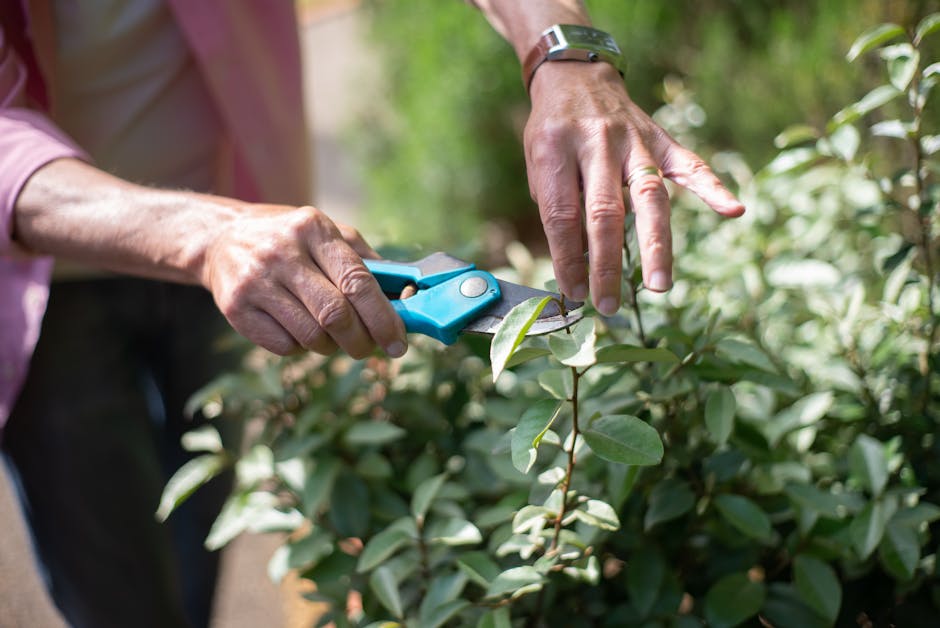
Common garden maintenance mistakes Falconwood homeowners avoid
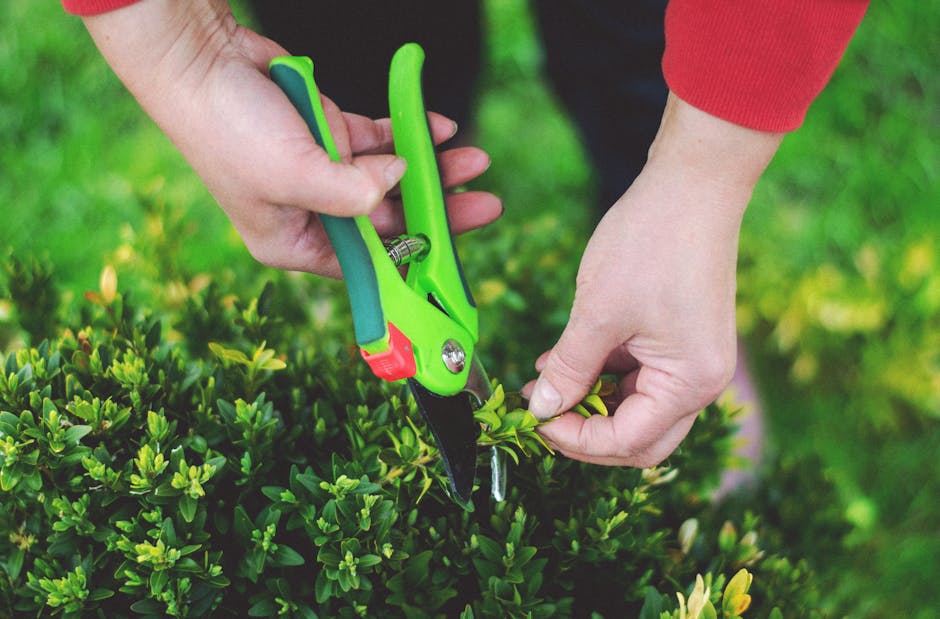
Gardens in Falconwood have a funny way of looking deceptively simple. A neat lawn, a tidy hedge, a swept patio, and you think, "That'll be fine for another week." Then a damp spell rolls in, the grass gets patchy, the hedge starts leaning, and the patio turns slick underfoot. The truth is, common garden maintenance mistakes Falconwood homeowners avoid are rarely dramatic on their own - they creep up through small habits, missed checks, and jobs done in the wrong order.
This guide breaks down the most frequent mistakes people make, why they matter, and how to steer clear of them without turning garden care into a full-time job. If you want a healthier lawn, cleaner hard surfaces, safer trees, and less weekend stress, you're in the right place. And yes, a few of these fixes are surprisingly simple once you know what to look for.
Why Common garden maintenance mistakes Falconwood homeowners avoid Matters
Falconwood gardens face the same broad pressures as many London outdoor spaces: mixed weather, compact garden layouts, shaded spots, boundary issues, and surfaces that collect moss faster than you'd expect. A small maintenance slip can quickly become a bigger job. For example, overwatering a lawn in a shady corner can invite disease; letting a hedge run on too long can make the whole boundary harder to shape later; and ignoring blocked drainage near a patio can leave pooling water and slippery growth.
There's also the simple cost of delay. A task that takes twenty minutes in the right season can become a multi-hour repair if it's left too long. That's the part people usually miss. Garden maintenance is not just about keeping things looking nice. It helps protect planting, hard landscaping, fences, timber features, and even your own time.
For homeowners who want a steadier routine, the right approach often starts with a structured garden maintenance service and, where needed, support from broader gardening services. That doesn't mean handing everything over forever. It just means using proper timing and technique where it counts.
Expert summary: Most garden problems start small, not dramatic. Miss the first warning signs, and the job usually gets more expensive, more physical, and more frustrating. Catch it early and the garden stays much easier to live with.
How Common garden maintenance mistakes Falconwood homeowners avoid Works
Good garden care is really about rhythm. Not every task needs doing every weekend, and not every plant needs the same treatment. The homeowners who avoid the usual mistakes tend to do three things well: they observe, they time jobs properly, and they don't treat every issue as if it were isolated.
Take lawn care, for example. If the grass is cut too short in a dry spell, the lawn can brown off and thin out. If it's left too long in cool, wet weather, you can end up with clumps, uneven growth, and a heavier thatch layer. That's why routine lawn mowing works best when it follows the season rather than a fixed "every Saturday no matter what" rule. Slightly boring? Maybe. Effective? Absolutely.
The same logic applies to hedges, trees, paving, and borders. A hedge trimmed at the wrong time can look harsh and recover slowly. A tree with deadwood left alone may shed branches in wind. A patio that's never cleaned can become slippery and stain-prone. So the "how" is less about one-off effort and more about steady, sensible sequencing.
In practice, that often means combining tasks. Clear debris before mowing. Check for pests before feeding. Inspect fence lines before trimming large shrubs nearby. If you've ever done a big tidy-up only to notice the lawn now looks battered from the clippings you should have collected first... yes, that's the kind of thing this guide is here to prevent.
Key Benefits and Practical Advantages
Avoiding common maintenance mistakes pays off in more ways than one. The obvious benefit is a better-looking garden, but that's only the surface layer.
- Healthier planting: Plants respond better when pruning, watering, feeding, and mulching are done at the right time.
- Safer outdoor spaces: Regular checks help reduce slip hazards, loose paving issues, and low-hanging branches.
- Lower repair risk: Early attention helps protect decking, fencing, paths, and lawns from avoidable damage.
- Less waste: Proper clearance and pruning mean less material builds up and fewer "monster jobs" appear later.
- Better long-term value: A well-maintained garden supports kerb appeal and makes the space easier to use all year.
There's also a quieter benefit: less decision fatigue. Once you understand what not to do, you stop second-guessing every small task. That alone can make gardening feel less like a chore and more like a manageable routine.
Who This Is For and When It Makes Sense
This is for Falconwood homeowners who want a garden that stays tidy without becoming a constant project. It's especially useful if you:
- manage a small or medium garden and need sensible upkeep rather than full redesigns
- have a lawn that struggles with shade, foot traffic, or patchy growth
- own hedges, mature shrubs, or trees that need proper seasonal attention
- notice moss, weeds, or slippery build-up on paths and patios
- have fencing, decking, or borders that suffer from damp and debris
- prefer to prevent problems rather than fix them in a rush later
It also makes sense if you've tried the "little and often" approach but still feel the garden never quite gets ahead. That's usually a sign the routine needs adjusting, not that you're doing everything wrong. Truth be told, most people are doing two or three things well and one or two things a bit backwards. Easy enough to sort out once it's named.
Step-by-Step Guidance
Here's a practical way to avoid the mistakes that catch people out most often.
- Start with a quick survey. Walk the garden before you touch anything. Look for uneven growth, pooling water, dead branches, weeds in cracks, and signs of pests.
- Clear before you cut. Remove loose leaves, twigs, and clutter first. Cutting over debris hides problems and makes the finish messy.
- Tackle lawn care in the right order. Mow when the grass is dry enough, avoid scalping, and adjust height through the seasons. If the lawn is tired or compacted, consider aeration and feeding rather than just cutting again.
- Trim hedges with the final shape in mind. Don't hack too much off at once. Light, regular trimming usually creates better density and less stress on the plant. If the hedge is tall or overgrown, a specialist hedge trimming service can save a lot of guesswork.
- Inspect trees properly. Deadwood, crossing branches, and obvious lean should not be ignored. If anything looks unsafe or unusually heavy at the top, it's worth getting a proper assessment through tree surgery rather than hoping for the best.
- Check hard surfaces and drains. Sweep patios, clear joints, and remove the first signs of moss before they become slippery. For more stubborn build-up, patio cleaning can restore grip and appearance.
- Protect borders and edges. Keep edging tidy so grass doesn't creep everywhere, and don't let weeds establish around paving or fence posts.
- Review once a month. A short monthly reset catches the problems that routine mowing and pruning can miss.
A lot of garden maintenance is about restraint, oddly enough. Knowing when not to cut, when not to water, and when not to "just pull that branch down" can be the difference between a healthy garden and a costly one.
Expert Tips for Better Results
Here are the small habits that make a big difference in real gardens, not just on paper.
- Use the season as your guide. Spring growth, summer dryness, autumn leaf drop, and winter dormancy all demand a different touch.
- Keep cuts clean. Ragged pruning can slow recovery and look untidy for longer.
- Don't feed a stressed lawn too aggressively. Watering, mowing height, and soil condition matter first. Feeding is support, not a rescue mission.
- Work from the outside in. Edges, borders, and paths frame the whole garden. Once those are neat, everything else feels easier to judge.
- Watch for hidden damp zones. Behind sheds, under dense shrubs, and near north-facing walls are classic trouble spots in Falconwood gardens.
- Keep tools sharp and clean. Blunt tools tear instead of cut. That sounds minor. It isn't.
One very practical tip: if a job feels too big when you first look at it, break it into three passes - clear, shape, refine. That's often enough to avoid the "I've made it worse" feeling that can creep in halfway through a Saturday afternoon.
Common Mistakes to Avoid
This is the heart of it. These are the mistakes Falconwood homeowners most often avoid once they understand what's happening underneath.
1. Cutting the lawn too short
Short grass may look neat for a day, but scalp it too hard and you expose the soil, weaken roots, and invite weeds. In dry weather, it's even easier to stress the lawn. Keeping a sensible cutting height is one of the simplest improvements you can make.
2. Trimming hedges at the wrong time or too heavily
Heavy trimming can leave gaps, stress new growth, and create an uneven finish. Many hedges respond better to lighter, regular maintenance. If the hedge is seriously overgrown, reduce it in stages rather than trying to solve everything in one go.
3. Ignoring moss and algae on paths
Moss is not just cosmetic. It can make hard surfaces slippery, especially after rain or in colder months. Leaving it too long also means more effort later. A clean patio is easier to maintain than a neglected one, every time.
4. Overwatering everything
More water is not always better. Some plants prefer soil that dries slightly between waterings, and lawns can suffer if they are soaked too often. Overwatering can also encourage shallow roots. A quick check of the soil is usually more useful than a fixed watering habit.
5. Leaving garden waste to pile up
A small heap of clippings can attract pests, go slimy, and smother nearby plants. It also makes the garden look messier than it really is. Regular clearance is one of those unglamorous jobs that saves trouble later. If you've got a full reset to do, garden clearance can be the sensible route.
6. Forgetting the edges
People often mow the middle of the lawn beautifully and leave the borders ragged. The whole space then looks half-finished. Edging is one of those small details that changes everything, and it takes less time than people think.
7. Pruning without checking for nesting birds or obvious wildlife activity
In the UK, timing and care matter. It's best practice to avoid disturbing active nests and to proceed cautiously if wildlife is present. If in doubt, pause and inspect properly before cutting anything substantial.
8. Letting trees become "someone else's problem"
A tree can look fine from the ground while hiding deadwood, decay, or structural imbalance above eye level. If a branch is overhanging a driveway, roof, or neighbour's boundary, leaving it can become a safety issue fast. That's where tree lopping and removal may be appropriate, but only after a proper assessment.
9. Using the wrong tool for the job
Trying to cut thick stems with lightweight hand shears, or using a mower on wet, tangled grass, usually makes the result worse. Tools matter. So does patience. Annoying, but true.
10. Treating hard landscaping as "maintenance-free"
Decking, fencing, and patios all need attention. Wood weathers. Joints collect weeds. Surfaces shift or stain. If you want these areas to last, don't assume they can be ignored. Services such as decking services and fencing support can help when damage or wear starts to show.
Tools, Resources and Recommendations
You don't need a shed full of kit to maintain a garden properly. A compact, reliable setup is usually better than a pile of gear you never use.
| Task | Helpful tools | What to watch for |
|---|---|---|
| Lawn care | Mower, edging tool, rake, aerator | Wet grass, scalping, compacted soil |
| Hedge trimming | Hedge trimmer, secateurs, gloves, eye protection | Overcutting, uneven sides, hidden stems |
| Patio cleaning | Stiff broom, algae remover, suitable washer if needed | Slippery surfaces, damaged pointing, run-off |
| Tree checks | Binoculars, ladder only if safe, professional support | Dead branches, cracks, sudden lean, decay |
| Border upkeep | Hand fork, trowel, mulch, waste bags | Weeds at edges, exposed roots, dry soil |
If you're trying to stay on top of the garden with limited time, it can help to prioritise services rather than tools. A reliable lawn care plan, periodic hedge trimming, and occasional patio cleaning often deliver more visible value than buying another gadget that will spend most of the year in a corner.
Also, if you're budgeting for bigger jobs, the pricing and quotes page is a sensible place to understand how professional work is typically scoped. No drama, just clearer expectations.
Law, Compliance, Standards and Best Practice
For most homeowners, garden maintenance is less about formal compliance and more about sensible duty of care. That said, a few common-sense standards matter in the UK.
First, safety. If a job involves ladders, powered tools, falling material, or working near boundaries, it should be approached carefully. That applies especially to tree work, heavy pruning, and awkward access. Professional teams typically put a lot of emphasis on safe working methods, insurance, and site control. If you're comparing providers, it's fair to ask how they handle safety and cover; pages like insurance and safety and the health and safety policy can give you a feel for that approach.
Second, wildlife and nesting. Hedges and trees should be checked with care before major cutting, particularly in spring and early summer. If there is any sign of nesting activity, don't disturb it. That's just good practice.
Third, boundary awareness. A neighbour-friendly garden is usually a better garden. Keep an eye on overhanging branches, fallen debris, and anything that could drift across a shared fence line. If a fence line itself has become unstable, repairs or replacement may be more appropriate than constant patching.
Finally, recycling and waste handling. Green waste should be dealt with responsibly. Composting, green bins, or proper removal are all preferable to leaving material to rot in place. If you want to understand that process better, the site's recycling and sustainability page is relevant and reassuring.
Options, Methods, or Comparison Table
Not every garden needs the same level of attention. Sometimes the choice is between doing a quick tidy-up, keeping to a maintenance routine, or bringing in more structured help. Here's a simple comparison.
| Approach | Best for | Pros | Limitations |
|---|---|---|---|
| DIY ad hoc upkeep | Very small gardens, light growth | Low cost, flexible, quick wins | Easily becomes inconsistent; problems get missed |
| Planned home routine | Most Falconwood gardens | Prevents common mistakes, spreads effort evenly | Still needs time and some knowledge |
| Professional maintenance support | Busy owners, larger gardens, overgrown spaces | Reliable results, safer handling of awkward tasks | Requires budget and scheduling |
| Specialist intervention | Trees, severe overgrowth, damaged surfaces | Best for technical or risky work | Not needed for routine small tasks |
If you're unsure which route fits your situation, a blended approach often works best: handle the light routine jobs yourself and call in help for the technical or time-heavy work. That's usually the sweet spot. Not glamorous, but practical.
Case Study or Real-World Example
A typical Falconwood scenario goes like this. A homeowner keeps the lawn trimmed, but only just. The hedge gets a hard cut once or twice a year. Patio cleaning is left until the slabs look obviously green. There's nothing catastrophic, so it all feels manageable.
Then one wet autumn, the patio becomes slippery, the hedge is too dense to shape neatly in one go, and the lawn is patchy from repeated short cuts. The garden doesn't collapse. It just starts asking for more time, more effort, and more money than before.
Once the maintenance pattern changes, the difference is obvious. The lawn is cut higher and less aggressively. The hedge is trimmed lightly, more often. Debris is cleared regularly. The patio is cleaned before build-up settles in. In a couple of months, the space feels calmer and easier to use. You notice it on a weekday evening, honestly - that quiet little lift when the garden looks under control rather than slightly on the edge of chaos.
The key lesson? Most of the improvement came from avoiding the wrong habits, not from doing anything fancy.
Practical Checklist
Use this checklist as a quick seasonal reset or monthly sanity check.
- Grass is cut at a sensible height, not scalped
- Hedges are trimmed lightly and safely, not hacked back in one go
- Patio, paths, and steps are free from slippery build-up
- Weeds are dealt with before they seed or spread
- Drainage areas are clear of leaves and mud
- Tree branches are checked for deadwood or overhang
- Fence lines and borders are inspected for wear or movement
- Garden waste is removed or composted promptly
- Tools are clean, sharp, and stored properly
- Any unsafe or awkward job is put aside for professional support
If you work through that list every so often, you'll avoid a surprising number of headaches. Really, that's most of the battle.
Get a free quote today and see how much you can save.
Conclusion
Keeping a garden in good shape is less about perfection and more about avoiding the easy-to-miss mistakes that quietly create extra work. For Falconwood homeowners, that usually means mowing at the right height, trimming hedges with care, keeping patios and paths clean, checking trees properly, and clearing debris before it turns into a bigger issue.
If you remember only one thing, make it this: maintenance done early is almost always easier than rescue work done late. That one habit can save time, reduce stress, and make the garden feel like part of the home again rather than a job hanging over you.
And if the list feels a bit much right now, that's fine. Start with one corner, one task, one weekend. Gardens respond well to steady attention. So do people, to be fair.
Frequently Asked Questions
What are the most common garden maintenance mistakes Falconwood homeowners make?
The most common mistakes are cutting lawns too short, trimming hedges too heavily, ignoring moss on patios, overwatering, and leaving debris to build up. Those habits look harmless at first, but they usually create more work later.
How often should a typical Falconwood garden be maintained?
It depends on the size of the garden, the season, and what you have planted, but most gardens benefit from light weekly or fortnightly attention plus a monthly deeper check. Grass, hedges, and hard surfaces usually need the most consistent care.
Is it better to mow the lawn little and often?
Usually, yes. Regular mowing helps avoid stress, keeps the finish even, and prevents the lawn from becoming overgrown. The key is not to cut too short, especially in dry weather.
When should hedges be trimmed?
That depends on the hedge type and growth rate, but the safest general approach is light, regular trimming rather than one dramatic cut. If the hedge is large, dense, or difficult to reach, professional hedge trimming is often the better option.
Why does my patio keep getting slippery?
Slippery patios usually develop from a mix of shade, damp, moss, algae, and general dirt build-up. Regular sweeping and cleaning help, and stubborn build-up may need a proper patio cleaning treatment.
Can overwatering really damage a garden?
Yes. Overwatering can weaken roots, encourage shallow growth, and sometimes promote disease or poor drainage. Many gardens do better with careful watering rather than frequent soaking.
How do I know if a tree needs attention?
Look for dead branches, cracks, sudden leaning, fungal growth, or large limbs hanging over roofs, drives, or paths. If a tree looks unsafe or unusual, it's best to get it checked by someone experienced in tree surgery.
What should I do with a big pile of clippings and garden waste?
Don't leave it sitting for long. It can smell, attract pests, and make the garden look neglected. Compost it if suitable, use your green waste collection, or arrange garden clearance if the amount is more than you want to manage yourself.
Do fencing and decking need regular maintenance too?
They do. Timber and outdoor materials weather over time, especially in damp conditions. Regular checks help spot staining, looseness, rot, and movement before the issue spreads. Support such as decking services or fencing work can be useful when the damage starts to go beyond a quick fix.
Is professional garden maintenance worth it for a small garden?
Often, yes. Small gardens can still be surprisingly time-consuming, especially if you want them to stay tidy through the year. Professional help can be worthwhile when you want consistency, safer handling of awkward jobs, or just fewer weekend chores.
What is the easiest mistake to fix first?
Usually lawn height, debris build-up, or patio slipperiness. Those are the quickest wins and often make the whole garden feel better straight away. After that, move on to hedges and border tidiness.
How do I choose the right type of help for my garden?
Start with the problem, not the service name. If it's a lawn issue, look at lawn care. If hedges are the main headache, hedge trimming makes sense. For overgrowth, a broader garden maintenance visit may be more useful. If you're unsure, asking for advice is a sensible first step.